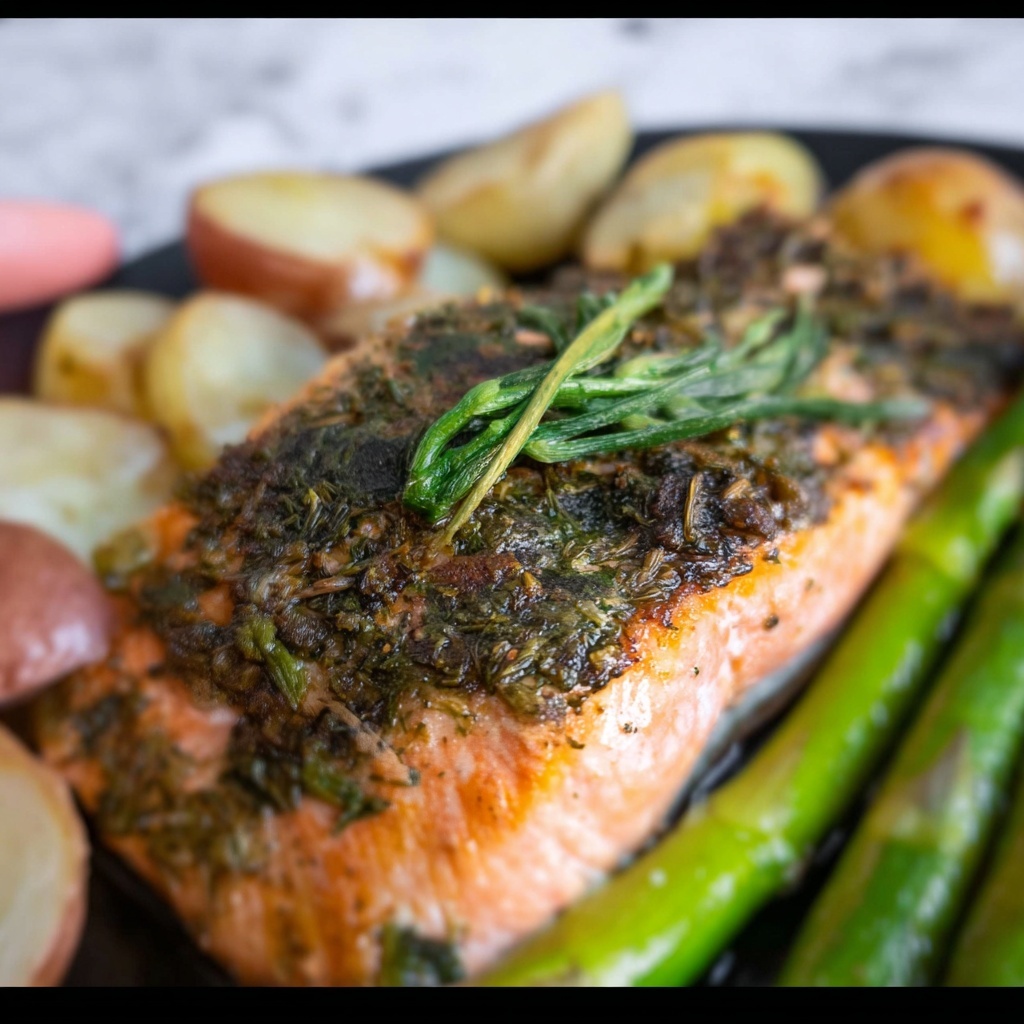
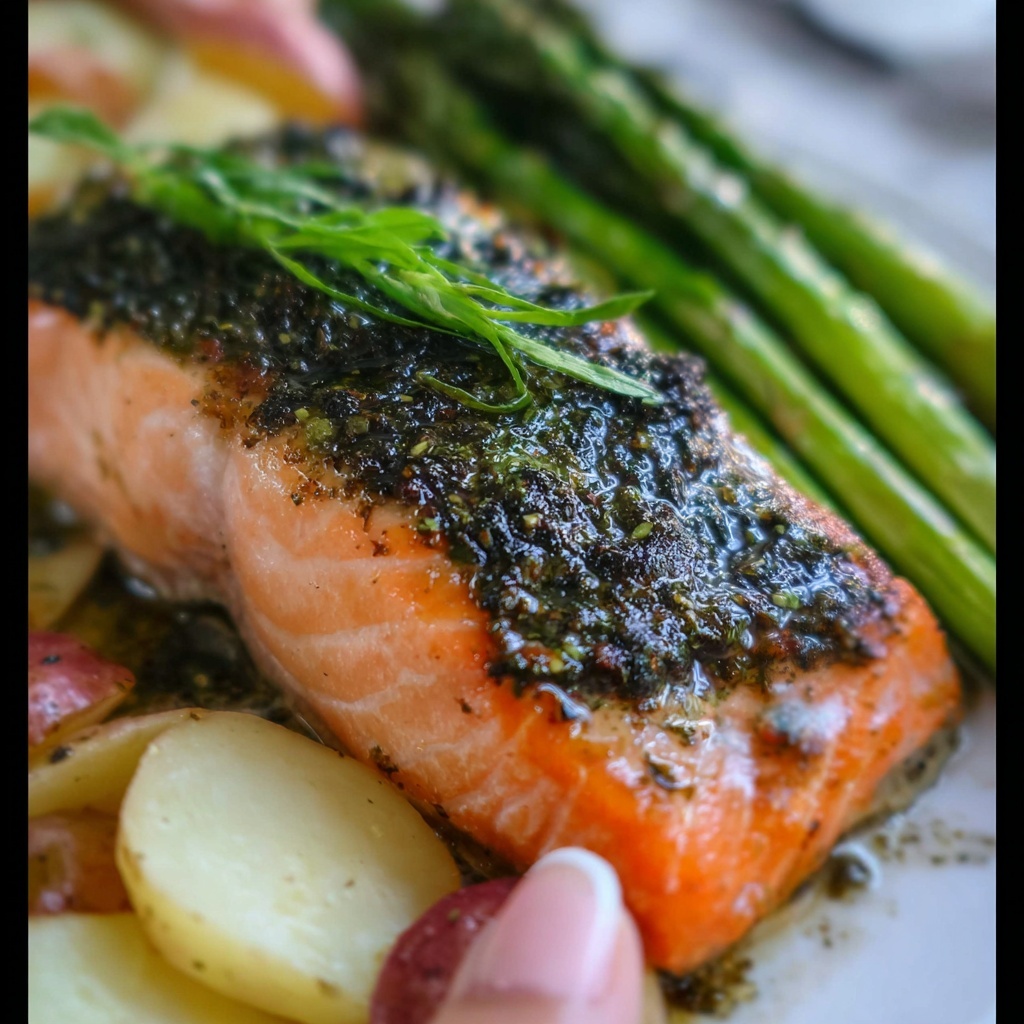
If you are on the hunt for a dinner recipe that feels indulgent yet comes together with ease, this Sheet Pan Salmon with Creamy Scalloped Potatoes and Asparagus Recipe is destined to become a new favorite. Imagine tender, flaky salmon coated in bright citrus herb seasoning nestled alongside rich, velvety scalloped potatoes and crisp, vibrant asparagus—all baked together on one pan. It’s a perfect harmony of creamy, tangy, and fresh flavors that will have you reaching for seconds and maybe even thirds. Plus, it’s a mostly hands-off meal ideal for busy weeknights or casual weekend dinners when you want effortless elegance on your plate.
Ingredients You’ll Need
These ingredients are straightforward but essential, combining to create a feast of flavors and textures. Each plays a special role in balancing richness, brightness, and a touch of spice that elevates this sheet pan meal into something truly memorable.
- Baby red potatoes (2 pounds, sliced thin): Thin slicing ensures they cook evenly and soak up the creamy sauce perfectly.
- Cream (1 1/4 cups): Provides the luscious base for the scalloped potatoes, making them ultra-rich and smooth.
- Thyme (1/2 teaspoon plus 1/8 teaspoon): Adds subtle earthiness that complements both the potatoes and salmon beautifully.
- Cayenne pepper (1/8 teaspoon): Gives a gentle kick that perks up the cream sauce without overpowering it.
- Black pepper (1/8 to 1/4 teaspoon): Freshly ground for a bit of warmth and depth.
- Salt (1 teaspoon + 1/4 teaspoon): Essential for seasonings that bring out the natural flavors.
- Minced garlic (1 teaspoon): Adds savory complexity that enhances the cream sauce and salmon.
- Asparagus (2 bunches, about 2 pounds, trimmed): Brings freshness, crunch, and vibrant green color.
- Lemon juice (1/4 cup): Brightens the glaze with refreshing acidity.
- Orange juice (1/4 cup, fresh): Adds a touch of natural sweetness and citrus depth.
- Olive oil (1/3 cup): Helps emulsify the glaze and lends a silky texture.
- Honey (1 to 2 teaspoons): Balances the tart citrus with gentle sweetness.
- Parmesan cheese (1/2 cup, grated): Golden, nutty cheese that melts over the top for extra indulgence.
- Sea Cuisine Citrus Herb Rubbed Salmon (16 ounces, two packages): Pre-seasoned salmon that saves time and layers in fresh flavors. (If unavailable, a similar citrus-herb seasoning can be used.)
How to Make Sheet Pan Salmon with Creamy Scalloped Potatoes and Asparagus Recipe
Step 1: Prepare Your Oven and Baking Sheet
Start by preheating your oven to 400 degrees Fahrenheit. This temperature is key for roasting everything perfectly without drying out the salmon or leaving the potatoes undercooked. Spray a large baking sheet (about 11×17 inches) with nonstick spray to prevent sticking later.
Step 2: Slice the Potatoes Thin
Wash your baby red potatoes but leave their skins on for texture and nutrients. Slice them thinly—using a food processor with a slicing attachment or a mandoline works wonders here, making this step quick and uniform. Thin slices ensure the potatoes cook evenly and soak up that creamy sauce in the next step.
Step 3: Simmer the Potatoes in Cream and Spices
Pour the cream into a large skillet and stir in thyme, cayenne pepper, black pepper, salt, and minced garlic. Bring to a low boil over medium to medium-high heat. Once bubbling, reduce heat and let it simmer gently for about 2 minutes, stirring occasionally. This thickens the cream slightly while infusing the flavors into the sauce. The potatoes will still be firm—perfect for finishing in the oven.
Step 4: Bake the Creamy Potatoes
Transfer the cream and potatoes mixture to your prepared baking sheet. Spread it out evenly to ensure every slice gets hot and bubbly. Bake at 400 degrees for 10 minutes. This step starts to soften the potatoes so they’ll be melt-in-your-mouth tender by the end.
Step 5: Prepare the Asparagus
While the potatoes bake, wash the asparagus and snap off the tough woody ends. Set them aside—you’ll dress these in a bright citrus glaze that ties the whole dish together.
Step 6: Whisk Up the Citrus Glaze
In a medium bowl, combine fresh lemon juice, orange juice, and slowly drizzle in olive oil while whisking constantly. This emulsifies the glaze, preventing separation and creating a silky texture. Add salt, black pepper, thyme, and honey to taste, whisking until vibrant, balanced, and fresh.
Step 7: Coat the Asparagus
Toss the asparagus in the citrus glaze until every stalk is well coated. Using your hands helps ensure even coverage so the asparagus roasts with a light, tangy sheen that brightens the entire meal.
Step 8: Add Asparagus and Parmesan to the Baking Sheet
After the potatoes have been in the oven for 10 minutes, pull out the baking sheet. Lift the asparagus onto the pan and carefully reposition the potatoes and asparagus so they mingle, with some asparagus touching the pan and potatoes layered on top. Then sprinkle everything generously with grated Parmesan cheese for a golden, savory crust.
Step 9: Place the Salmon and Finish Baking
Create four small wells in the potato-asparagus mix for the salmon fillets. If the pan looks dry in those spots, mist lightly with nonstick spray. Place the citrus herb rubbed salmon fillets into the wells and return the sheet pan to the oven. Bake for 20 minutes at 400 degrees until the potatoes are tender, asparagus is crisp-tender, and the salmon flakes easily with a fork.
Step 10: Serve with Citrus Glaze
Remove the sheet pan from the oven and spoon the reserved citrus glaze over the salmon, potatoes, and asparagus right before serving. This last touch adds a fresh pop of brightness and a touch of sweet acidity that amps up every bite.
How to Serve Sheet Pan Salmon with Creamy Scalloped Potatoes and Asparagus Recipe
Garnishes
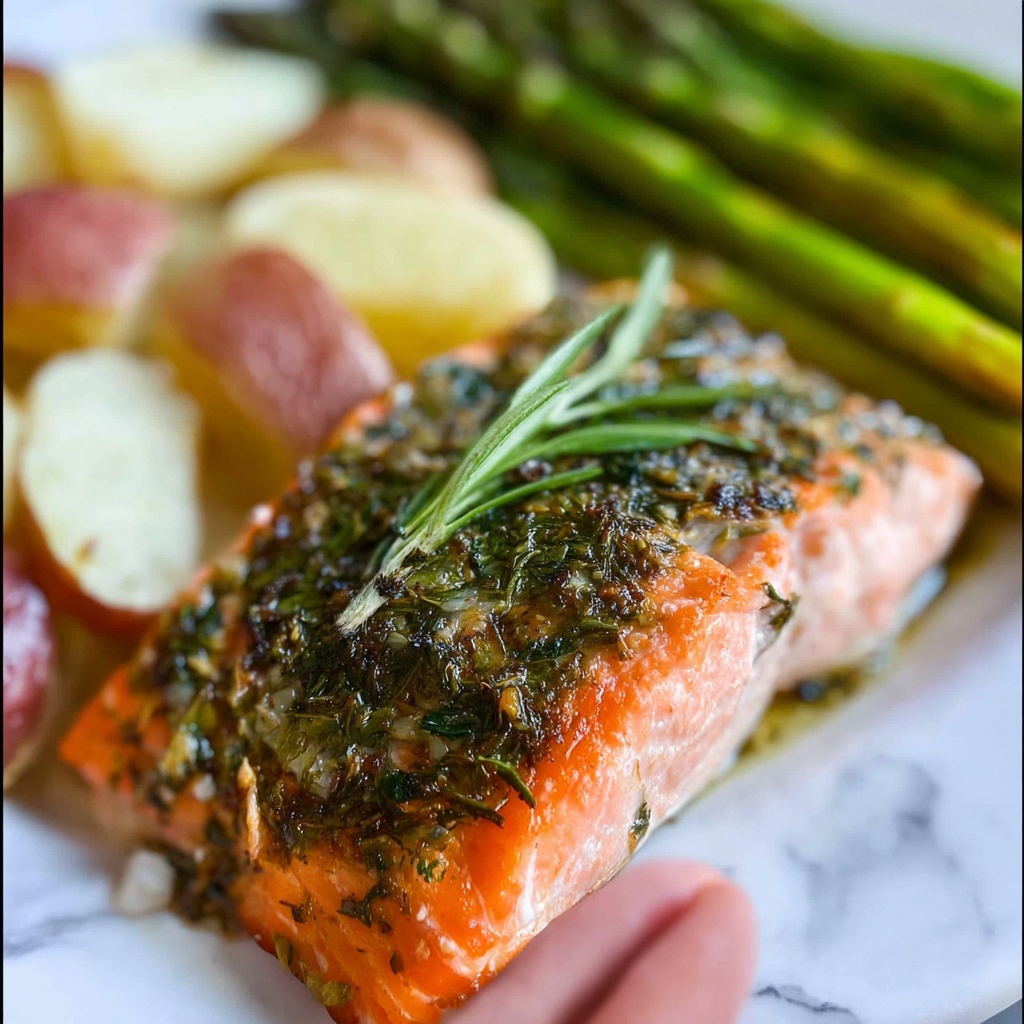
Lightly chopped fresh parsley or dill sprinkled on top adds a burst of color and herbaceous aroma. A lemon wedge on the side boosts that citrus punch for guests who want a little extra zing on their salmon. A few shavings of extra Parmesan cheese can also be scattered for cheese lovers who crave more cheesy indulgence.
Side Dishes
This recipe shines as a full meal on its own, but if you want a crunchy contrast, a crisp green salad tossed with a simple vinaigrette complements it beautifully. Steamed green beans or a light quinoa pilaf also pair well, offering texture and substance without stealing the spotlight from the main event.
Creative Ways to Present
For a rustic yet elegant presentation, serve directly from the sheet pan at the table, letting everyone enjoy the cozy communal vibe. Alternatively, plate individual portions by neatly layering potatoes, asparagus, and the salmon fillet, then drizzle some of the citrus glaze on top for a restaurant-worthy look. Using small ramekins for the glaze at each place adds a personalized touch.
Make Ahead and Storage
Storing Leftovers
Once cooled, transfer leftovers to an airtight container and store in the refrigerator. The flavors meld nicely overnight, making for a delicious next-day meal. It’s best enjoyed within 2 to 3 days to maintain freshness and texture.
Freezing
This dish freezes well if you want to save portions. Separate into airtight freezer-friendly containers or heavy-duty freezer bags and label with the date. For best quality, consume within 1 month. Keep in mind the texture of asparagus may change slightly after freezing.
Reheating
Reheat leftovers gently in a low oven (around 325 degrees) to preserve the creamy texture of the potatoes and prevent drying out the salmon. Alternatively, microwave on medium power in short bursts, covering loosely to retain moisture. Reheat the citrus glaze separately and drizzle fresh before serving.
FAQs
Can I use regular salmon if I don’t have the Citrus Herb Rubbed kind?
Absolutely! Simply season your salmon fillets with a blend of lemon zest, thyme, garlic powder, salt, and pepper before adding to the sheet pan. This allows you to customize the flavors while keeping that fresh citrus herb profile that makes the dish so special.
Is it necessary to peel the potatoes?
Nope! Leaving the skins on the baby red potatoes adds a wonderful texture and extra nutrients. Plus, the thin slices cook quickly and evenly, so peeling isn’t needed at all.
Can I substitute another vegetable for the asparagus?
For sure! Green beans or broccolini work well as swaps. Just adjust the trimming and baking time slightly, since these veggies vary in tenderness and thickness.
What if I don’t have a food processor or mandoline for slicing potatoes?
Using a sharp knife to slice your potatoes thinly by hand works fine; just take your time and aim for uniform slices so they cook evenly. The thinner, the better to match the dish’s creamy texture.
How can I make this recipe dairy-free?
You can use a plant-based cream alternative such as coconut cream or cashew cream to replace the dairy cream. Additionally, swap the Parmesan cheese with a dairy-free cheese or nutritional yeast to maintain a cheesy flavor without dairy.
Final Thoughts
This Sheet Pan Salmon with Creamy Scalloped Potatoes and Asparagus Recipe is one of those rare gems that combines ease, elegance, and irresistible flavor all in one pan. It’s heartfelt comfort food with a bright, fresh twist that feels special enough for guests but simple for your weeknight table. I can’t wait for you to try it and fall in love with how the creamy, tangy, and savory elements come together so beautifully. Happy cooking and happy eating!
Print
Sheet Pan Salmon with Creamy Scalloped Potatoes and Asparagus Recipe
- Prep Time: 10 minutes
- Cook Time: 30 minutes
- Total Time: 40 minutes
- Yield: 4 servings
- Category: Main Dish
- Method: Baking
- Cuisine: American
Description
This Sheet Pan Salmon with Creamy Scalloped Potatoes and Asparagus recipe offers a delightful combination of tender, citrus-herb rubbed salmon paired with creamy, flavorful scalloped potatoes and vibrant asparagus. The dish is elegantly finished with a fresh citrus glaze that adds brightness and balances the rich creaminess of the potatoes. Prepared on a single sheet pan, it makes for an easy, wholesome meal perfect for weeknights or casual dinners.
Ingredients
Scalloped Potatoes
- 2 pounds baby red potatoes, sliced thin
- 1 1/4 cups cream
- 1/2 teaspoon thyme
- 1/8 teaspoon cayenne pepper
- 1/8 to 1/4 teaspoon black pepper
- 1 teaspoon salt
- 1 teaspoon minced garlic
Asparagus and Citrus Glaze
- 2 bunches asparagus (2 lbs), trimmed
- 1/4 cup lemon juice (Meyer lemon, about 1 large lemon)
- 1/4 cup orange juice (fresh, about half a large orange)
- 1/3 cup olive oil
- 1/4 teaspoon salt
- Black pepper to taste
- 1/8 teaspoon thyme
- 1–2 teaspoons honey
Other
- 1/2 cup Parmesan cheese, grated
- 16 ounces Sea Cuisine Citrus Herb Rubbed Salmon (two packages; substitute with any citrus-herb seasoned salmon if unavailable)
- Nonstick cooking spray
Instructions
- Preheat and Prepare Pan: Preheat your oven to 400 degrees F (204 degrees C). Spray a large (11×17 inch) baking sheet with nonstick spray to prevent sticking.
- Slice Potatoes: Wash the baby red potatoes thoroughly and slice them thinly, preferably using a food processor slicing attachment or a mandoline, for even cooking.
- Simmer Potatoes in Cream: In a large skillet, combine the sliced potatoes, cream, thyme, cayenne pepper, black pepper, salt, and minced garlic. Heat over medium to medium-high until it reaches a low boil.
- Thicken Cream: Once bubbling, reduce heat and let the mixture simmer gently for about 2 minutes, stirring occasionally. The cream should thicken, but the potatoes will remain firm.
- Bake Potatoes: Transfer the potato and cream mixture evenly onto the prepared baking sheet and bake at 400°F for 10 minutes.
- Prepare Asparagus: While the potatoes bake, wash the asparagus and snap off the tough ends. Set aside.
- Make Citrus Glaze: In a medium bowl, combine lemon juice and orange juice. Slowly whisk in olive oil in a thin stream to emulsify. Add salt, pepper, thyme, and honey; whisk until well combined.
- Coat Asparagus: Toss the asparagus in the citrus glaze, ensuring they are evenly coated.
- Add Asparagus to Pan: After the potatoes have baked for 10 minutes, remove the baking sheet from the oven and place the glazed asparagus onto the pan.
- Reserve Glaze: Do not add the remaining citrus glaze to the pan; instead, transfer it to a small serving dish for later use.
- Distribute Ingredients: Using a spoon or spatula, gently move the potatoes and asparagus so some asparagus touch the pan, and some potatoes rest atop the asparagus.
- Add Parmesan Cheese: Sprinkle the grated Parmesan cheese evenly over the potatoes and asparagus.
- Make Wells for Salmon: Create 4 empty spots on the pan where the salmon fillets will fit. Spray these spots lightly with nonstick spray if the pan appears dry.
- Add Salmon: Place the 16 ounces of citrus herb rubbed salmon fillets into the wells on the baking sheet.
- Bake Entire Sheet Pan: Return the pan to the oven and bake at 400 degrees F for 20 minutes or until the potatoes are tender, asparagus is crisp-tender, and salmon flakes easily with a fork.
- Serve: Plate the salmon, potatoes, and asparagus, then spoon the reserved citrus glaze over the top for a bright, flavorful finish.
Notes
- If you cannot find Sea Cuisine Citrus Herb Rubbed Salmon, substitute with any fresh salmon fillets seasoned with citrus zest, herbs, salt, and pepper.
- Using a food processor or mandoline to slice potatoes ensures even, thin slices which help with cooking time and texture.
- The citrus glaze adds brightness and balances the richness of the cream in the scalloped potatoes.
- Do not add the glaze to the pan during baking, as it will evaporate and lose flavor; instead, serve it fresh over the cooked dish.
- Ensure asparagus is trimmed properly by snapping off the woody ends to keep the texture tender.
- You can prepare the citrus glaze and asparagus simultaneously while the potatoes bake to streamline the cooking process.