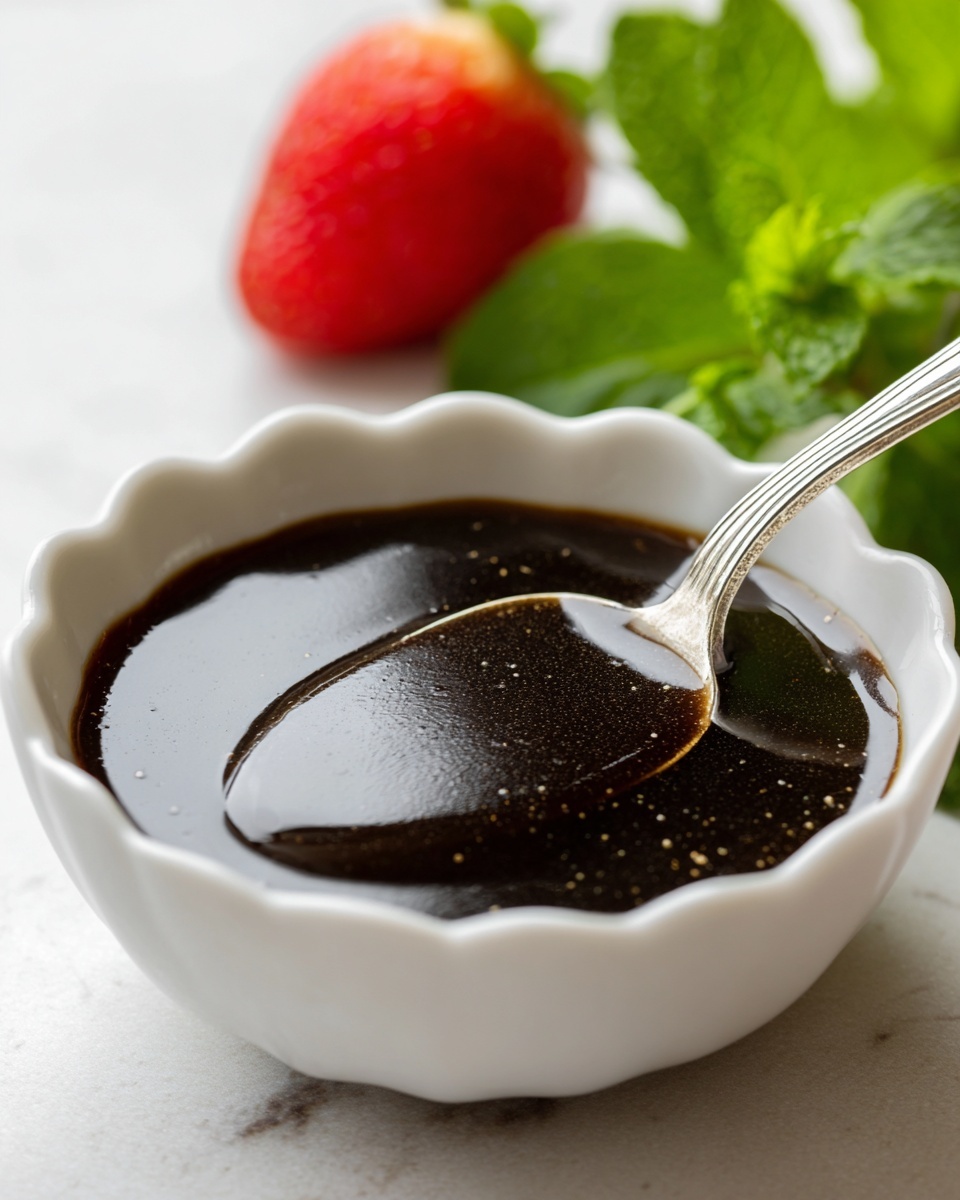
If you’re craving a simple yet sensational way to elevate your dishes, this Homemade Balsamic Glaze Recipe is your new best friend in the kitchen. Picture a luscious, rich syrup bursting with tangy, sweet, and slightly floral notes that clings perfectly to everything from roasted veggies to grilled meats and even fresh fruit. It’s incredibly easy to make but delivers that WOW factor every time, turning ordinary meals into something truly unforgettable.
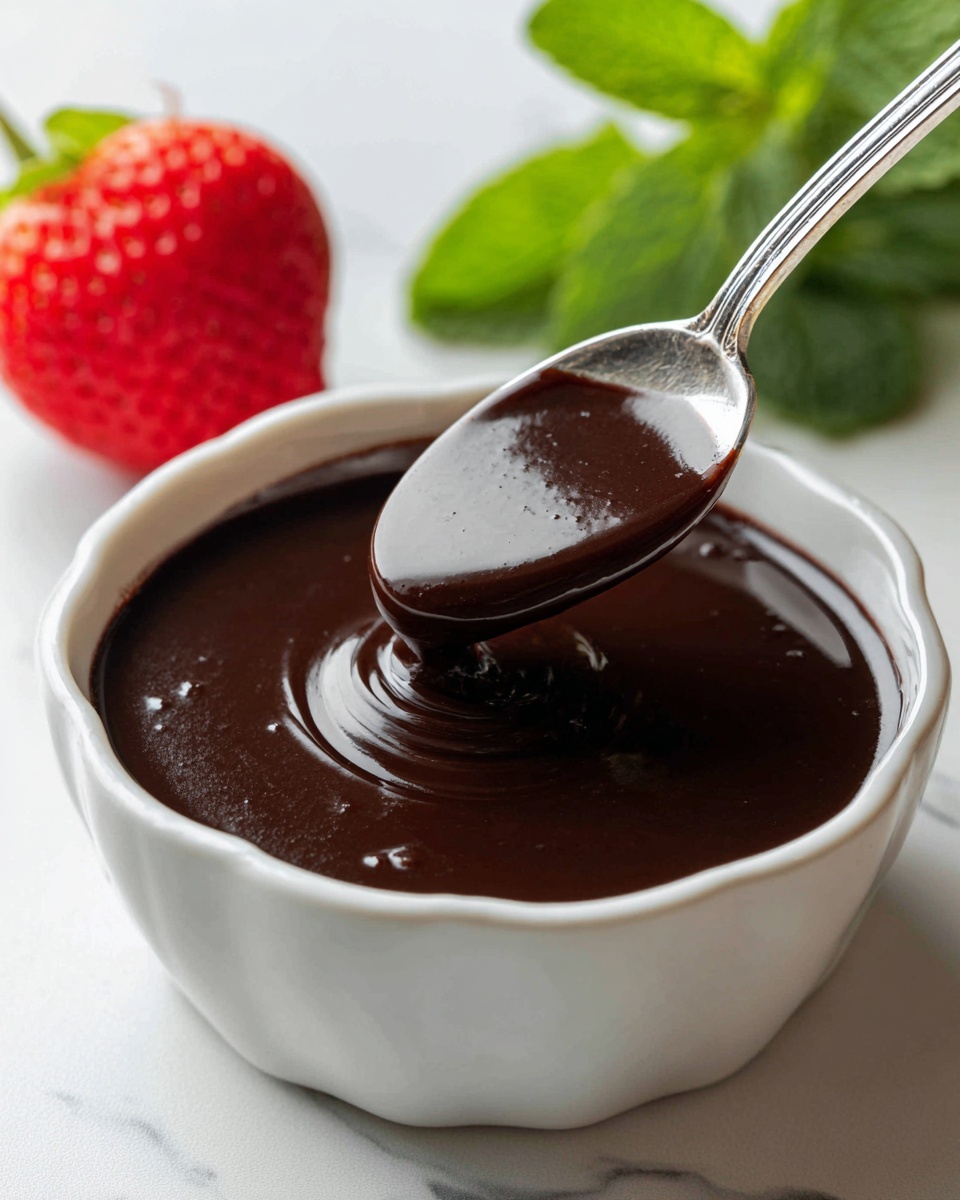
Ingredients You’ll Need
These ingredients are straightforward but each plays a vital role in crafting the perfect balance of flavor, texture, and color in your balsamic glaze. With just a handful of pantry staples, you’re moments away from creating something magical.
- 1 cup Balsamic Vinegar: Choose a high-quality balsamic vinegar for the best results to ensure deep flavor complexity.
- 1/4 cup Brown Sugar: Light or dark brown sugar provides that rich, caramelized sweetness essential for glaze thickness.
- 1 tablespoon Honey: Adds a subtle floral note that brightens the glaze beautifully.
- 1 teaspoon Dijon Mustard: Introduces a gentle tanginess that balances sweetness and deepens flavor layers.
- 1 pinch Salt: Enhances and balances all the sweet and acidic elements harmoniously.
How to Make Homemade Balsamic Glaze Recipe
Step 1: Combine Balsamic Vinegar and Brown Sugar
Start by pouring 1 cup of balsamic vinegar into a medium-sized saucepan. Add the brown sugar and stir gently until it dissolves completely, ensuring a smooth base for your glaze.
Step 2: Bring to a Gentle Boil
Place the saucepan over medium heat and bring the mixture to a gentle boil. Stir occasionally to prevent any burning and to help thicken the glaze evenly as it cooks.
Step 3: Add Honey, Mustard, and Salt
Once boiling, add the tablespoon of honey, teaspoon of Dijon mustard, and a pinch of salt. Stir well to incorporate these flavors which will layer complexity into your glaze.
Step 4: Simmer to Desired Consistency
Reduce the heat to low and let the glaze simmer uncovered for 15 to 20 minutes. This slow simmer will reduce the liquid, intensify the flavors, and create that perfect syrupy texture. Keep an eye on it and stir occasionally to avoid sticking.
Step 5: Check Thickness and Cool
Test the glaze’s thickness by dipping a spoon into the mixture; it should coat the back of the spoon. If it’s too thin, continue simmering for another 5 to 10 minutes. Once you reach the perfect consistency, remove the pan from heat and let the glaze cool—the thickness will increase as it cools.
Step 6: Store Your Glaze
Transfer the cooled balsamic glaze to an airtight container. This Homemade Balsamic Glaze Recipe will keep beautifully in the refrigerator for up to two weeks, ready to amp up any dish you desire.
How to Serve Homemade Balsamic Glaze Recipe
Garnishes
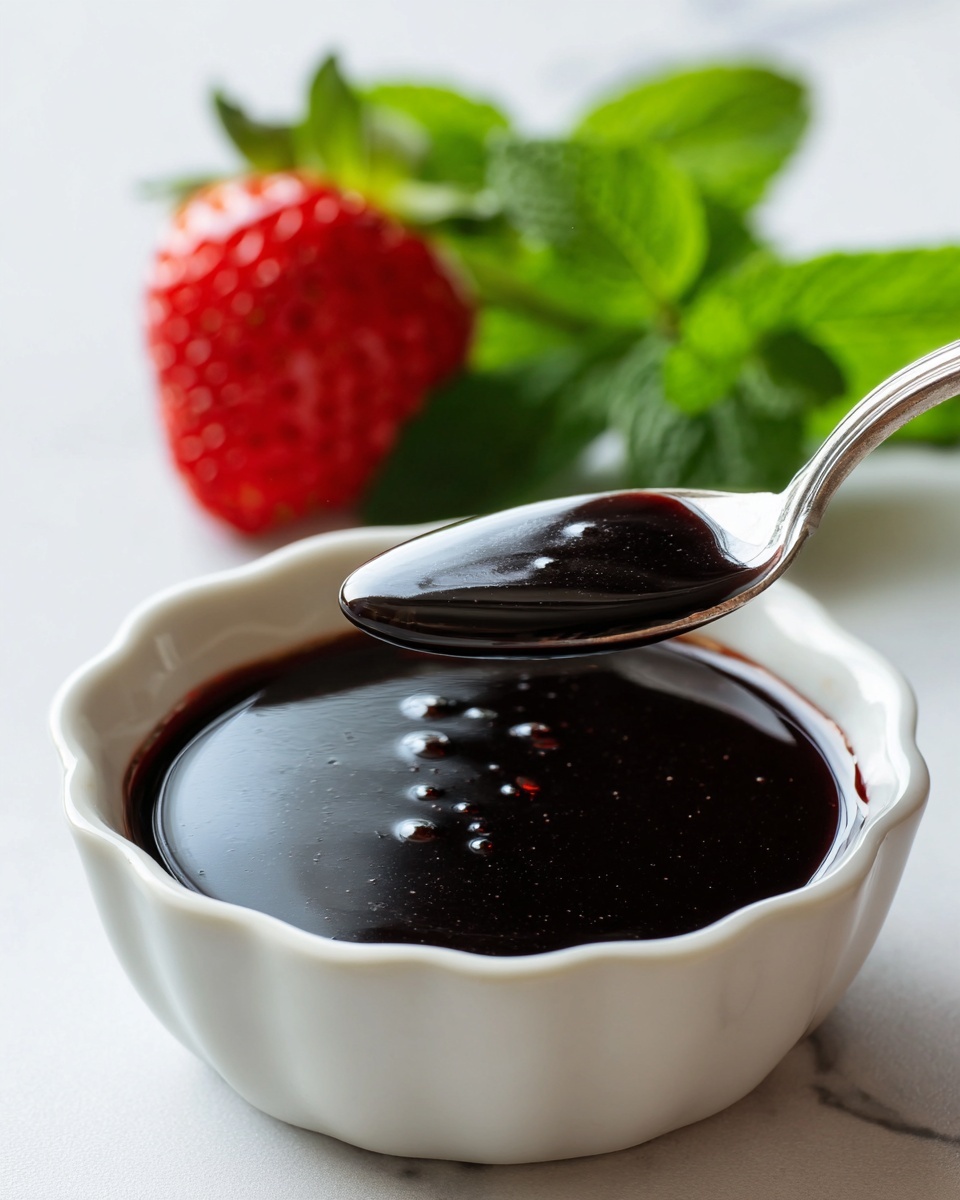
Drizzle your glaze over fresh basil leaves, ripe tomatoes, or creamy mozzarella for that classic Caprese salad enhanced by a burst of acidity and sweetness in each bite. The glaze also makes a fantastic finish on grilled peaches or strawberries, adding an unexpected depth of flavor.
Side Dishes
Use the balsamic glaze to drizzle on roasted vegetables like asparagus, Brussels sprouts, or carrots. It’s also magnificent over mashed potatoes or drizzled onto a baked sweet potato, providing a surprising but delightful contrast of flavors.
Creative Ways to Present
Try using the glaze as a finishing touch on flatbreads with goat cheese and arugula or even as a dip for artisan cheeses during your next gathering. You can swirl it on dessert plates for a beautiful presentation alongside panna cotta, vanilla ice cream, or chocolate mousse.
Make Ahead and Storage
Storing Leftovers
Leftover glaze stores wonderfully in an airtight container in the fridge. Because it thickens as it cools, be sure to give it a quick stir before use if you plan to drizzle it right away.
Freezing
This glaze doesn’t freeze well because the texture changes when thawed, turning grainy or separating. For best quality, it’s recommended to enjoy it fresh or refrigerated within two weeks.
Reheating
If your glaze has thickened too much in the fridge, gently warm it over low heat, stirring constantly until it returns to a pourable consistency. Avoid boiling to preserve the delicate balance of flavors.
FAQs
Can I use regular vinegar instead of balsamic vinegar?
Regular vinegar won’t deliver the same rich, sweet complexity as balsamic vinegar, so while you could use it in a pinch, the flavor profile of your glaze will be very different.
What can I do if my glaze becomes too thick?
Add a teaspoon or two of water and gently warm the glaze while stirring until you reach the desired consistency. This helps loosen it without compromising flavor.
Is the honey necessary in this Homemade Balsamic Glaze Recipe?
Honey adds a lovely floral sweetness that balances the acidity and deepens the flavor, but if you’re avoiding honey, you can increase the brown sugar slightly or substitute with maple syrup.
How long can I store the balsamic glaze once made?
If stored properly in an airtight container in the refrigerator, your glaze will stay fresh and delicious for up to two weeks.
Can I use this glaze for marinades?
Absolutely! The sweet and tangy nature of the balsamic glaze makes it a fantastic base for marinades, especially for meats like chicken or pork, as well as sturdy vegetables.
Final Thoughts
Trust me, once you try this Homemade Balsamic Glaze Recipe, you’ll wonder how you ever cooked without it. It’s the kind of versatile, elegant touch that makes every bite feel special, whether you’re whipping up a quick weeknight dinner or entertaining friends. Give it a go and watch your meals transform effortlessly into something extraordinary.
Print
Homemade Balsamic Glaze Recipe
- Prep Time: 5 minutes
- Cook Time: 20 minutes
- Total Time: 25 minutes
- Yield: 8 to 8.8 servings
- Category: Sauce
- Method: Stovetop
- Cuisine: Italian
- Diet: Gluten Free
Description
This Homemade Balsamic Glaze recipe yields a rich, sweet, and tangy reduction perfect for drizzling over salads, grilled vegetables, meats, or even desserts. Made with quality balsamic vinegar, brown sugar, honey, and a hint of Dijon mustard, this glaze balances complex flavors with a syrupy texture, enhancing any dish with minimal effort.
Ingredients
Ingredients
- 1 cup Balsamic Vinegar (Choose a high-quality balsamic vinegar for the best results.)
- 1/4 cup Brown Sugar (Light or dark brown sugar can be used.)
- 1 tablespoon Honey (Adds a floral note to the glaze.)
- 1 teaspoon Dijon Mustard (Introduces a subtle tanginess.)
- 1 pinch Salt (Balances the sweetness.)
Instructions
- Pour vinegar: Pour 1 cup of balsamic vinegar into a medium-sized saucepan to prepare the base for the glaze.
- Add sugar and stir: Add 1/4 cup of brown sugar and stir until it completely dissolves into the vinegar, ensuring even sweetness.
- Boil gently: Bring the mixture to a gentle boil over medium heat while stirring occasionally to prevent burning.
- Simmer: Reduce heat to low and let it simmer for 15-20 minutes, stirring occasionally to allow the liquid to reduce and thicken.
- Check consistency: Test if the glaze coats the back of a spoon; if it’s too thin, continue simmering for an additional 5-10 minutes to reach desired thickness.
- Cool: Remove from heat and let the glaze cool; it will thicken further as it cools down.
- Store: Transfer the cooled glaze into an airtight container and keep refrigerated for up to two weeks for future use.
Notes
- Use high-quality balsamic vinegar for the best flavor and consistency.
- You can adjust sweetness by varying the brown sugar or honey quantity.
- For a thicker glaze, simmer longer but watch closely to prevent burning.
- The glaze pairs excellently with roasted vegetables, grilled meats, salads, or even as a dessert topping.
- Store in the refrigerator and bring to room temperature before use if it becomes too thick.