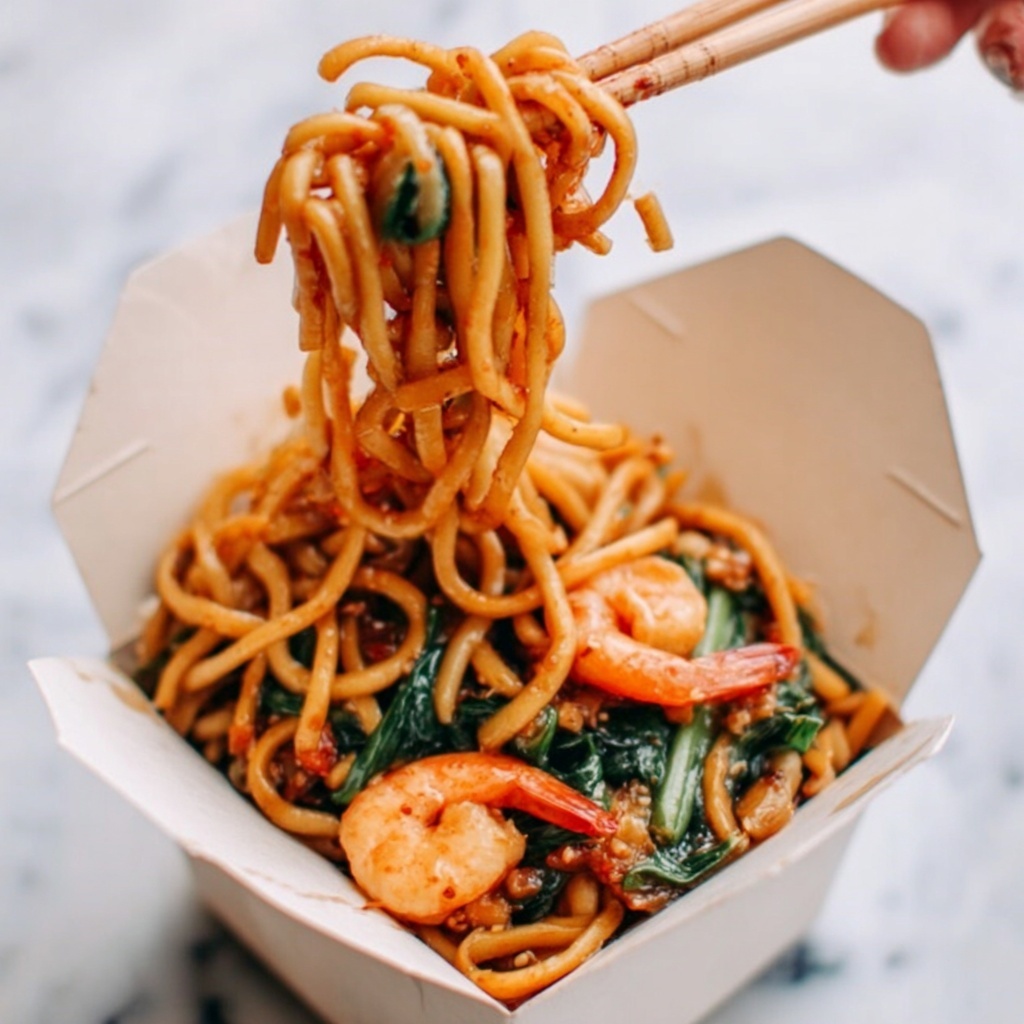
If you’re looking for a dish that bursts with vibrant flavors and satisfying textures, this Shrimp Lo Mein Stir-Fry Recipe is exactly what you need. It’s a fantastic blend of succulent shrimp, fresh crunchy vegetables, and tender lo mein noodles all coated in a savory, perfectly balanced sauce. The combination of soy, oyster sauce, and a touch of sesame oil brings an irresistible taste that will have everyone asking for seconds. Whether you’re feeding a family or hosting friends, this stir-fry is a quick, crowd-pleasing meal that elevates weeknight dinners to something truly special.
Ingredients You’ll Need
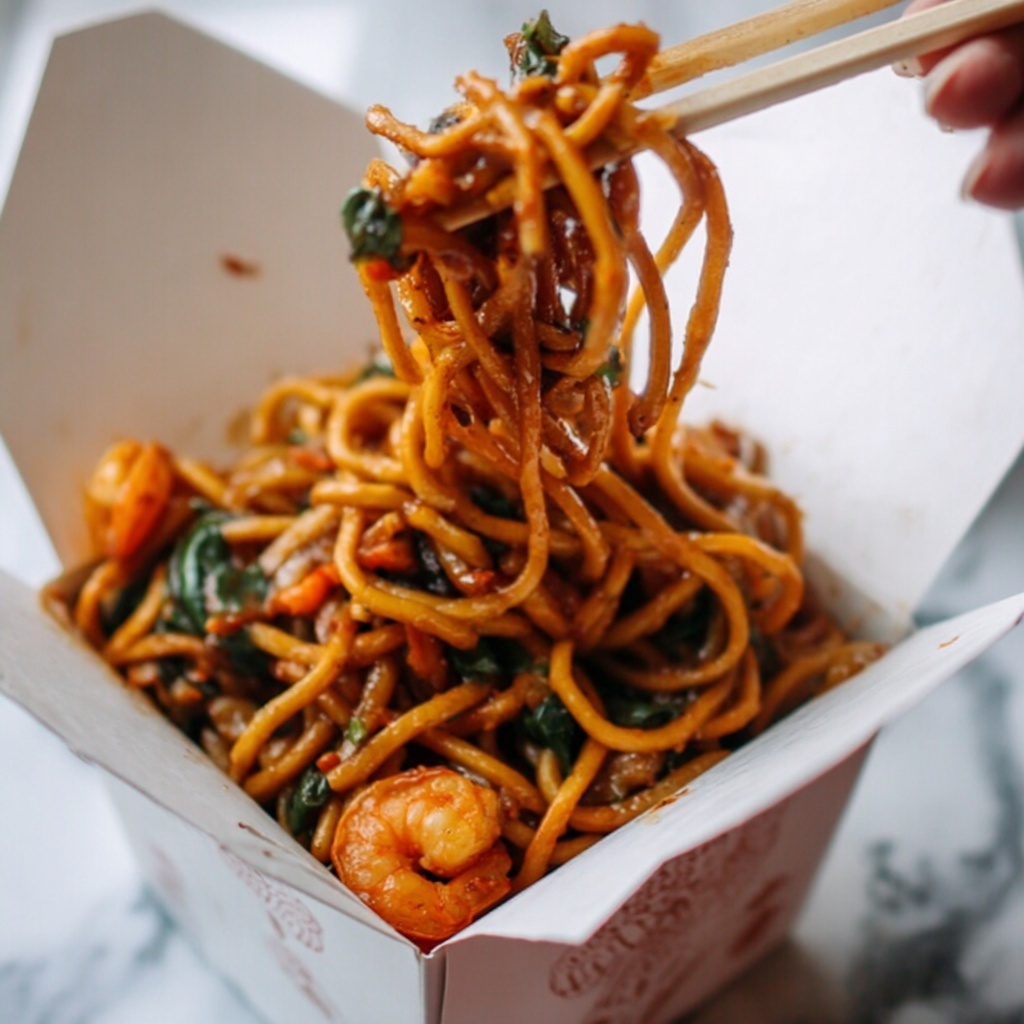
The beauty of this Shrimp Lo Mein Stir-Fry Recipe lies in its simple yet thoughtfully chosen ingredients. Each item adds its own character, whether it’s the snap of fresh snow peas or the rich umami of oyster sauce, creating a harmonious blend of flavors and textures.
- 12 oz. shrimp: Peeled and deveined for juicy, tender seafood goodness.
- 1 pound fresh pre-cooked lo mein noodles: The soft noodle base that soaks up all those delicious sauces.
- ½ teaspoon sugar: Adds a subtle sweetness to balance the savory elements.
- 1 1/2 tablespoons regular or light soy sauce: Brings saltiness and depth to the dish.
- 2 teaspoons dark soy sauce: For a richer, darker color and intensified taste.
- 1 tablespoon oyster sauce: Adds a luscious, savory umami boost.
- ½ teaspoon sesame oil: Infuses the stir-fry with a warm, nutty aroma.
- 1/8 teaspoon ground white pepper: Provides gentle, aromatic heat without overpowering.
- 3 tablespoons neutral oil (vegetable or canola): Needed for proper searing and stir-frying.
- 2 cloves garlic (minced): A fragrant base to elevate every bite.
- 6 fresh button or cremini mushrooms (sliced): Earthy texture and flavor that complements the shrimp.
- 1 medium carrot (julienned): Adds a hint of sweetness and bright orange color.
- ½ cup bamboo shoots (sliced): Crunchy texture that adds an exciting bite.
- ½ cup water chestnuts: Juicy crunch that keeps every mouthful interesting.
- 1 tablespoon Shaoxing wine: Enhances depth and complexity with its subtle tang.
- 3 cups napa cabbage: Softens slightly but still keeps a satisfying crunch.
- 1 cup snow peas (trimmed): Bright green and crisp, perfect for balance.
- 1 cup fresh mung bean sprouts: Light, fresh crunch adds freshness to the mix.
- 2 scallions (split and cut into 2-inch long pieces): Mild onion flavor that brightens the dish.
How to Make Shrimp Lo Mein Stir-Fry Recipe
Step 1: Prepare the shrimp and noodles
Start by bringing your shrimp and pre-cooked lo mein noodles to room temperature. This prevents unnecessary sogginess when the noodles hit the hot wok. If you don’t have fresh lo mein noodles on hand, dried linguini cooked al dente is a great alternative—just toss it with a bit of oil to keep the strands separate and ready for stir-frying.
Step 2: Whip up the sauce
Mix together sugar, soy sauces, oyster sauce, sesame oil, and ground white pepper in a small bowl. Stir gently until the sugar completely dissolves. This sauce will be the heart of the recipe, so take a moment to appreciate how those simple ingredients combine into something magic.
Step 3: Sear the shrimp perfectly
Heat a large wok over high heat until it starts to smoke ever so slightly. Drizzle one tablespoon of oil around the edges and spread the shrimp evenly across the surface. Sear each side quickly—just 10 to 15 seconds per side—to lock in their natural juices without overcooking. Remove the shrimp and set aside; they’ll return later to join the party.
Step 4: Stir-fry the fresh vegetables
Up the heat again and add the remaining two tablespoons of oil, then toss in your minced garlic. Within seconds, introduce the mushrooms, carrots, bamboo shoots, and water chestnuts. Give everything a quick toss for about 30 seconds—this keeps those veggies crisp and vibrant.
Step 5: Add Shaoxing wine and napa cabbage
Spread Shaoxing wine around the wok’s edges for that subtle aromatic lift. Pile the napa cabbage into the center and stir-fry for another 30 seconds. This step softens the cabbage just enough without losing its delightful crunch.
Step 6: Bring in the noodles
Lay the prepared noodles evenly over the vegetable mixture. Stir everything together for about one minute, making sure the noodles are hot through but still retain their chewiness—an essential texture for any great lo mein.
Step 7: Incorporate the sauce
Pour your pre-mixed sauce over the noodles and vegetables. Use a scooping and tossing motion to work it evenly into every strand and piece of veggie. Stir-fry for about 30 seconds until you see the glossy coating that promises rich flavor in every bite.
Step 8: Combine shrimp and finish with final veggies
Add back the seared shrimp, and toss in the snow peas, mung bean sprouts, and scallions. Stir-fry everything for an additional two minutes, letting all those bright, fresh flavors mingle and the shrimp finish cooking to perfection.
Step 9: Serve immediately
Take your wok off the heat and plate up your masterpiece right away for the best texture and burst of flavor. The Shrimp Lo Mein Stir-Fry Recipe is all about enjoying the ingredients at their freshest.
How to Serve Shrimp Lo Mein Stir-Fry Recipe
Garnishes
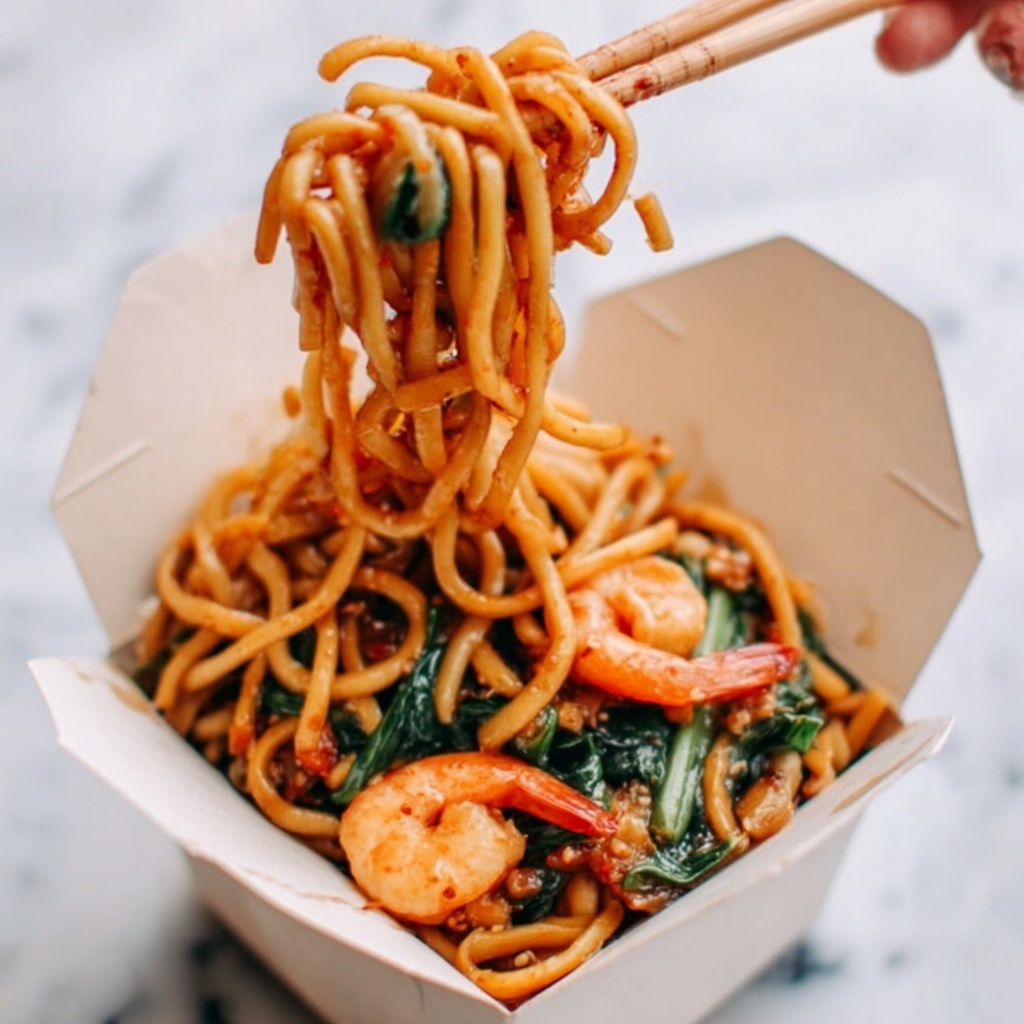
Sprinkle chopped fresh cilantro or a handful of toasted sesame seeds on top for a little extra flair and crunch. A wedge of lime on the side can add a zesty twist that brightens the whole dish wonderfully.
Side Dishes
This stir-fry shines on its own, but pairing it with simple steamed jasmine rice or a light cucumber salad can round out the meal. If you want more greens, a quick sauté of bok choy complements the flavors without taking attention away from the main event.
Creative Ways to Present
For an elegant dinner, serve the Shrimp Lo Mein Stir-Fry Recipe in individual bowls garnished with scallions and vibrant chili threads. Or, pile it high on a large platter surrounded by lime wedges and fresh herbs for a family-style feast that invites sharing and conversation.
Make Ahead and Storage
Storing Leftovers
If you find yourself with any leftovers, store them in an airtight container in the refrigerator. They’ll stay fresh for up to two days without losing too much of their signature crunch.
Freezing
Because of the fresh vegetables and noodles, freezing is not ideal for this dish—it tends to become mushy and loses its vibrant texture. It’s best enjoyed fresh or refrigerated for short-term.
Reheating
Reheat gently in a hot skillet or wok over medium heat, adding a splash of water or broth if needed to loosen up the noodles and vegetables. Avoid microwaving if you want to keep that delightful texture intact.
FAQs
Can I use frozen shrimp for this Shrimp Lo Mein Stir-Fry Recipe?
Absolutely! Just make sure to thaw them completely and pat dry before cooking to prevent excess moisture from watering down your wok stir-fry.
What if I can’t find fresh lo mein noodles?
Dried linguini or spaghetti can be used as a substitute. Cook them al dente, toss with a bit of oil to prevent sticking, and follow the recipe as usual.
Is there a vegetarian alternative for this recipe?
Yes! Simply replace shrimp with firm tofu or extra mushrooms, and omit Shaoxing wine or swap with vegetable broth for a delicious vegetarian twist.
How spicy is this Shrimp Lo Mein Stir-Fry Recipe?
This recipe isn’t spicy by default, but you can easily add chili flakes or fresh sliced chilies during the vegetable stir-fry stage for a bit of heat.
Can I prepare parts of the recipe ahead of time?
Prepping the sauce and chopping vegetables in advance is a great way to speed up cooking. Just store chopped veggies in an airtight container in the fridge until you’re ready to cook.
Final Thoughts
Trust me when I say that this Shrimp Lo Mein Stir-Fry Recipe will quickly become one of your go-to dishes when you want something flavorful, satisfying, and downright delicious. Once you whip it up for the first time, you’ll appreciate just how accessible and rewarding homemade stir-fry can be. So grab your wok, gather those fresh ingredients, and dive into this tasty adventure — your taste buds are in for a real treat!
Print
Shrimp Lo Mein Stir-Fry Recipe
- Prep Time: 15 minutes
- Cook Time: 30 minutes
- Total Time: 45 minutes
- Yield: 6 servings
- Category: Main Dish
- Method: Stovetop
- Cuisine: Chinese
Description
This Shrimp Lo Mein Stir-Fry is a vibrant and flavorful dish combining tender seared shrimp with fresh vegetables and perfectly cooked lo mein noodles. The sauce balances savory soy notes with a hint of sweetness and umami, while stir-frying ensures a quick cook that keeps ingredients crisp and noodles just right. Ideal for a satisfying weeknight dinner, this recipe delivers authentic Asian-inspired flavors in just 45 minutes.
Ingredients
Shrimp and Noodles
- 12 oz. shrimp (340g, 31/40 size, peeled and deveined)
- 1 pound fresh pre-cooked lo mein noodles
Sauce Ingredients
- ½ teaspoon sugar
- 1 ½ tablespoons regular or light soy sauce
- 2 teaspoons dark soy sauce
- 1 tablespoon oyster sauce
- ½ teaspoon sesame oil
- 1/8 teaspoon ground white pepper
Vegetables and Aromatics
- 3 tablespoons neutral oil (vegetable or canola, divided)
- 2 cloves garlic (minced)
- 6 fresh button or cremini mushrooms (sliced)
- 1 medium carrot (julienned)
- ½ cup bamboo shoots (sliced)
- ½ cup water chestnuts (sliced)
- 1 tablespoon Shaoxing wine
- 3 cups napa cabbage (chopped)
- 1 cup snow peas (trimmed)
- 1 cup fresh mung bean sprouts
- 2 scallions (split and cut into 2-inch long pieces)
Instructions
- Prepare shrimp and noodles: Remove shrimp and lo mein noodles from the refrigerator and let them come to room temperature. To quickly warm the noodles without sogginess, soak the unopened bag in hot water. If fresh lo mein noodles are unavailable, substitute with dried linguini cooked al dente, drained, and tossed immediately with 1 tablespoon vegetable oil to prevent sticking.
- Make the sauce: In a bowl, combine sugar, regular or light soy sauce, dark soy sauce, oyster sauce, sesame oil, and ground white pepper. Stir the mixture until the sugar dissolves, then set aside for use later.
- Sear the shrimp: Heat a large wok over high heat until it starts to smoke. Add 1 tablespoon of oil around the wok’s perimeter, then quickly spread the shrimp evenly in the wok. Sear each side of the shrimp for 10–15 seconds until just cooked. Remove the shrimp promptly and set aside on a plate to prevent overcooking.
- Stir-fry vegetables: Return the wok to high heat and add 2 tablespoons of oil. Add minced garlic and stir for a few seconds to release fragrance. Then add sliced mushrooms, julienned carrots, bamboo shoots, and water chestnuts. Stir-fry the vegetables for about 30 seconds to maintain their crispness.
- Add Shaoxing wine and cabbage: Sprinkle the Shaoxing wine around the edges of the wok, then add the chopped napa cabbage to the center. Stir-fry everything together for an additional 30 seconds to lightly wilt the cabbage.
- Add noodles: Evenly spread the pre-cooked lo mein noodles over the vegetables in the wok. Stir-fry everything together for 1 minute, ensuring the noodles are heated through but still retain a firm texture without becoming mushy.
- Incorporate sauce: Pour the prepared sauce mixture over the noodles and vegetables. Stir-fry with a scooping motion for about 30 seconds to evenly coat all ingredients with the flavorful sauce.
- Combine shrimp and final veggies: Add back the seared shrimp along with snow peas, fresh mung bean sprouts, and scallions. Mix thoroughly and continue stir-frying for 2 minutes to blend all the flavors together and finish cooking.
- Serve: Remove the wok from heat and serve the shrimp lo mein immediately to enjoy the best texture and flavor.
Notes
- Using fresh pre-cooked lo mein noodles is preferred for best texture; if unavailable, dried linguini can be a suitable substitute.
- Do not overcook the shrimp during searing to keep them tender and juicy.
- Stir-frying on high heat is essential to achieve crisp vegetables and avoid soggy noodles.
- Adjust seasoning and soy sauce quantities to taste, especially if using low-sodium versions.
- Shaoxing wine adds authentic flavor but can be omitted or replaced with dry sherry if unavailable.